


AMR Warehouse Automation: Boost Efficiency & Smart Logistics 2026
What Is AMR Warehouse Automation and How Can It Improve Warehouse Efficiency?
In today’s rapidly evolving logistics and supply chain landscape, efficiency, accuracy, and flexibility have become the core drivers of competitiveness. With the surge in e-commerce orders, rising labor costs, and the growing expectation for next-day delivery, more companies are turning to amr warehouse automation solutions to upgrade their operations.
Among these innovations, the amr warehouse (Autonomous Mobile Robot warehouse system) is emerging as a transformative force. This article explores the definition, advantages, and real-world applications of warehouse amr, helping businesses understand why amr in warehouse environments represent the future of intelligent warehousing.
What Is AMR? Intelligent Mobile Robots in the Warehouse
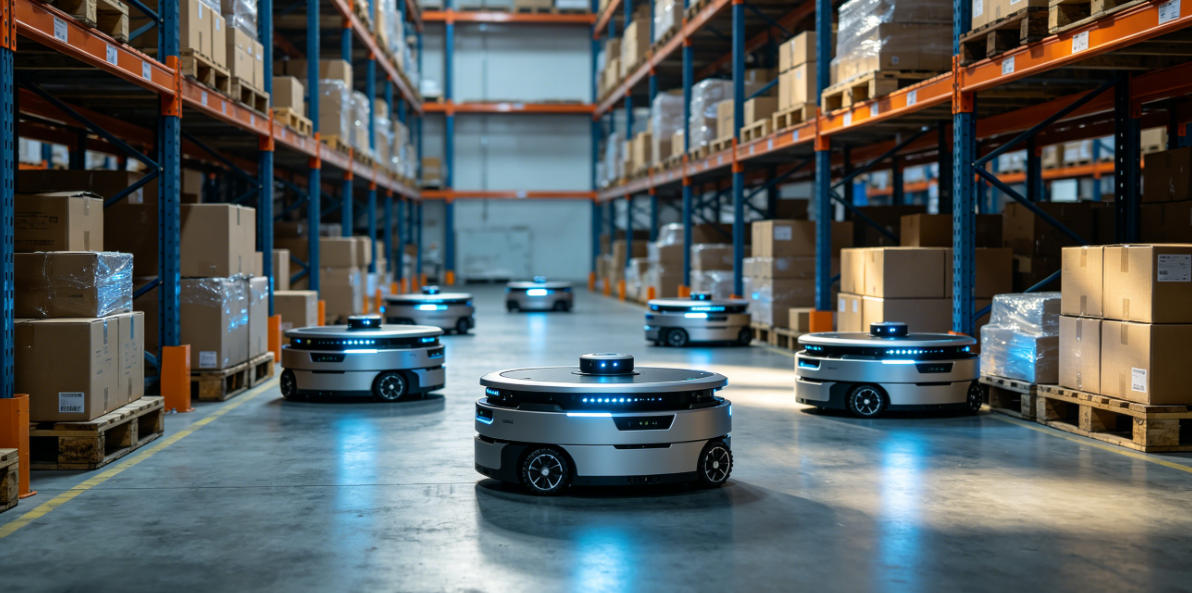
amr in warehouse refers to the deployment of Autonomous Mobile Robots within warehouses or distribution centers. These robots integrate LiDAR, SLAM navigation algorithms, machine vision, and AI-powered scheduling systems to autonomously navigate, plan paths, and execute tasks in complex environments—without fixed tracks or constant human intervention.
Unlike traditional automation systems that rely on predefined routes, amr warehouse systems function as intelligent mobile units. They can interpret warehouse layouts and dynamically respond to real-time changes, significantly enhancing the flexibility and efficiency of amr warehouse operations.
Compared to traditional AGVs, warehouse amr automation offers key advantages:
- Real-time path planning: Dynamically selects optimal routes based on order priority and traffic conditions
- Advanced obstacle avoidance & human collaboration: Safely operates in mixed human-robot environments
- Fast deployment & low infrastructure cost: No need for magnetic strips or structural changes; typically deployed within weeks
In addition, modern amr for warehouse systems support advanced capabilities such as multi-robot coordination, intelligent task allocation, and deep integration with enterprise systems. Through amr integration with wms, robots can receive real-time order data, inventory updates, and task instructions—evolving from simple executors into intelligent nodes within the warehouse ecosystem.
Whether in large-scale logistics hubs or smaller facilities, storeroom autonomous mobile robots provide efficient support. In e-commerce warehouses, AMRs handle picking and transport; in manufacturing, they streamline material flow between storage and production lines.
As a result, from flexible deployment to intelligent orchestration, warehouse logistics amr has become a critical technology driving warehouse automation and digital transformation. For businesses seeking competitive advantage, investing in amr warehouse solutions is both a technological and strategic upgrade.

Why AMRs Are Central to Warehouse Automation
1. Scalable and Flexible Warehouse Solutions (amr warehouse solutions)
Traditional automation systems, such as conveyor lines and AS/RS, rely heavily on fixed infrastructure. Once installed, they are costly and time-consuming to modify. In contrast, amr warehouse solutions introduce a new level of adaptability.
Key benefits include:
- Rapid adaptation to layout changes: Easily adjust to new shelving, workflows, or expansions
- On-demand scalability: Add or reduce robots based on seasonal demand
- No infrastructure overhaul required: Eliminates the need for tracks or major construction
- Multi-scenario adaptability: Supports picking, transport, sorting, and more
This flexibility makes warehouse logistics amr ideal for handling e-commerce peaks, seasonal fluctuations, and high-SKU environments. For growing businesses, warehouse amr automation enables gradual, low-risk upgrades without disrupting operations.
2. Efficiency Gains: AMRs Improve Warehouse Productivity
Improving efficiency is one of the primary reasons companies adopt amr for warehouse solutions. By optimizing the relationship between labor, goods, and movement, AMRs significantly enhance operational performance.
Key improvements include:
- Reduced walking distance: Workers stay in place while AMRs deliver goods
- Faster picking processes: Enables goods-to-person and collaborative picking models
- Shorter order cycles: Streamlined workflows from order to shipment
- 24/7 operation capability: Ideal for high-volume, round-the-clock fulfillment
- Lower error rates: System-guided workflows reduce human mistakes
In practice, amr warehouse automation can boost productivity by 30–50% while lowering operational costs. As a result, 'amrs improve warehouse productivity' has become a widely accepted industry standard.
3. Addressing Labor Shortages and Safety Challenges
With rising labor costs and workforce shortages, warehouses face increasing operational pressure. amr warehouse operations offer a sustainable solution.
Key advantages include:
- Automation of repetitive tasks: Reduces reliance on manual labor for transport and handling
- Optimized workforce allocation: Frees employees for higher-value activities
- Reduced training requirements: System-guided workflows accelerate onboarding
- Enhanced workplace safety: AI-powered sensors minimize collisions and accidents
- Improved working conditions: Lower physical strain leads to better employee retention
In peak seasons or night shifts, amr for warehouse systems help maintain operational continuity. This human-robot collaboration model is quickly becoming the standard in modern warehousing.
4. Data-Driven Smart Warehousing (amr integration with wms)
Automation improves execution—but intelligence drives optimization. Through amr integration with wms, AMRs become data-driven assets within the warehouse ecosystem.
Key capabilities include:
- Real-time inventory visibility: Every movement updates stock data instantly
- Intelligent task allocation: Assigns tasks based on priority, distance, and robot status
- Dynamic route optimization: Minimizes congestion and improves flow efficiency
- Data analytics & forecasting: Enables continuous improvement of layout and processes
- Integration with ERP/MES systems: Connects warehouse operations with the broader supply chain
With this level of integration, amr warehouse operations become more efficient, predictable, and scalable—empowering businesses to make smarter, data-driven decisions.
Core AMR Applications in Warehouses
1. Automated Transport & Replenishment (warehouse amr)
Within an amr warehouse, automated transport is a foundational use case. warehouse amr systems connect receiving, storage, picking, and shipping areas seamlessly.
Capabilities include:
- Cross-zone autonomous transport
- Dynamic replenishment based on inventory levels
- Multi-robot coordination
- Stable performance during peak demand
This reduces reliance on forklifts and manual handling, improving overall flow.
2. Intelligent Picking (amr for warehouse)
Picking accounts for a large portion of warehouse costs. amr for warehouse enables efficient human-robot collaboration.
Applications include:
- Goods-to-person systems
- Robot-assisted picking
- Batch order processing
- Guided workflows to reduce errors
Combined with amr warehouse automation, picking efficiency can increase significantly, supporting faster fulfillment.
3. Sorting & Distribution (warehouse logistics amr)
In distribution centers, warehouse logistics amr enhances sorting efficiency.
Key use cases:
- Dynamic order-based sorting
- Real-time route optimization
- Multi-destination distribution
- Integration with conveyors and robotic arms
This improves speed and reduces system complexity, especially in e-commerce and parcel logistics.

4. Small Warehouse Applications (storeroom autonomous mobile robots)
storeroom autonomous mobile robots are also ideal for smaller facilities.
Typical scenarios:
- Micro-fulfillment centers
- Manufacturing material handling
- Retail backroom operations
- Pharmaceutical and cold chain storage
Compared to traditional automation, storeroom amrs offer faster deployment and lower cost while maintaining high efficiency.
AMR vs Traditional Automation: Which Is Better?
| Category | AMR | Traditional AGV |
|---|---|---|
| Navigation | Autonomous | Fixed path |
| Flexibility | High | Low |
| Deployment Time | Fast (weeks) | Slow (months) |
| Scalability | Strong | Limited |
Conclusion: For dynamic warehouse environments, amr warehouse automation is the superior choice.
Why Now Is the Best Time to Deploy AMRs
With the market surpassing $4 billion and growing rapidly, AMRs have shifted from innovation to necessity.
To stay competitive, businesses should invest in:
- warehouse amr automation
- amr warehouse solutions
- amr integration with wms
This ensures a future-ready, intelligent warehouse system.
Conclusion: AMRs Are Reshaping the Future of Warehousing
From efficiency gains to intelligent decision-making, and from labor replacement to collaboration, amr warehouse systems are transforming logistics.
Whether in large distribution centers or smaller storeroom amrs environments, amr in warehouse is becoming the new standard.
If your business is looking for:
- Cost reduction and efficiency improvement
- Automation upgrade strategies
- Smart warehouse solutions
Then adopting amr warehouse automation is the most forward-thinking move you can make.
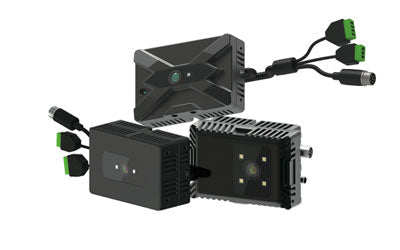
3D Safe Guarding Privacy RGBD Camera Synexens CS30

After-sales Support:
Our professional technical team specializing in 3D camera ranging is ready to assist you at any time. Whether you encounter any issues with your TOF camera after purchase or need clarification on TOF technology, feel free to contact us anytime. We are committed to providing high-quality technical after-sales service and user experience, ensuring your peace of mind in both shopping and using our products.
