


Warehouse Robots vs Manual Labor: Cost, ROI & Automation Guide

Are Warehouse Robots More Cost-Effective Than Manual Labor? A Complete Cost Analysis
With the rapid growth of e-commerce, smart manufacturing, and global supply chains, the warehousing industry is entering a new era of automation. More and more companies are focusing on warehouse robots to improve logistics efficiency, reduce operating costs, and overcome long-term labor challenges. In the past, warehouses mainly relied on manual labor for tasks such as material handling, picking, sorting, and inventory management. However, as order volumes continue to increase and customers demand faster delivery, traditional manual operations are facing challenges including lower efficiency, rising labor costs, and workforce management difficulties.
As a result, many companies are now comparing the cost efficiency differences between manual labor vs warehouse robots. For businesses planning to upgrade their warehouse operations, one important question has become: Are warehouse robots more cost-effective than human workers? Is the investment in warehouse robots price worth it?
The answer is not simply determined by the initial purchase cost. Companies need to evaluate long-term operating expenses, productivity improvements, accuracy, scalability, and overall return on investment (ROI).
Warehouse Robots vs Manual Labor: Which Is Better for Modern Warehouses?
Choosing between human workers and warehouse robots depends on several factors, including warehouse size, order volume, workflow requirements, and future expansion plans. Manual labor offers lower upfront costs and greater flexibility, while warehouse automation robots provide advantages in continuous operation, transportation efficiency, data management, and long-term cost reduction.
Today, many companies are adopting hybrid warehouse automation solutions, where robots handle repetitive and physically demanding tasks while human workers focus on decision-making, quality inspection, and complex operations. This combination allows businesses to achieve higher efficiency while maintaining operational flexibility.

How Do Warehouse Robots Improve Warehouse Efficiency?
One of the biggest advantages of warehouse robots is their ability to automate repetitive tasks, including material transportation, order fulfillment support, inventory movement, product sorting, and internal logistics.
Compared with manual operations, robots can follow optimized routes, reduce unnecessary walking time, and improve overall warehouse productivity.
Especially in large distribution centers, autonomous mobile robots for warehouse operations have become an important part of modern smart logistics. By combining LiDAR sensors, machine vision, artificial intelligence algorithms, and navigation systems, AMR warehouse robots can understand their surroundings, plan routes automatically, and safely transport goods.
For example, in an e-commerce warehouse, robots can automatically move to specific storage locations, collect products, and deliver items to workers or automated sorting areas. This significantly reduces order processing time and improves warehouse throughput.
24/7 Operation Capability Reduces Operational Pressure
Human workers are limited by working hours, breaks, holidays, and employee turnover. In contrast, warehouse robots can operate continuously and provide more stable productivity.
For logistics centers, manufacturing facilities, and large fulfillment warehouses, 24/7 operation capability allows businesses to respond faster to changing order demands. During peak seasons, promotional events, or sudden increases in orders, warehouse robots can reduce delays caused by labor shortages.
In addition, robotic systems can be monitored through warehouse software platforms, allowing companies to collect operational data and continuously optimize logistics processes.
Can Warehouse Robots Reduce Labor Costs?
Many businesses pay close attention to warehouse robots price because the initial investment is often higher than hiring workers. However, companies should evaluate the total operating cost instead of focusing only on the purchase price.
Labor expenses include more than wages. They also involve:
-
Employee benefits
-
Recruitment costs
-
Training expenses
-
Overtime payments
-
Employee turnover costs
-
Workplace safety risks
The main costs of warehouse robots usually include:
-
Equipment purchase
-
Software systems
-
Installation and integration
-
Maintenance expenses
Although the initial investment can be significant, warehouse robots can gradually reduce the cost per operation as they continue working over time. For warehouses with high order volumes and repetitive workflows, the long-term warehouse robot cost can become lower than continuously increasing labor expenses.
Warehouse Robots Improve Accuracy and Reduce Human Errors
In warehouse operations, human mistakes can lead to incorrect inventory records, wrong shipments, and damaged products, all of which increase business costs.
Modern warehouse automation solutions combine technologies such as 3D vision cameras, robotic vision systems, AI recognition, and advanced sensors to help robots accurately locate products, understand environments, and perform complex tasks.
For example, in automated picking applications, robotic vision systems can identify product locations, sizes, and conditions, improving the accuracy of picking and handling operations. This is especially valuable for e-commerce warehouses, manufacturing facilities, and high-value product logistics.
Advantages of Manual Labor
Although warehouse robots are developing rapidly, human workers still play an important role in many warehouse environments.
First, manual labor requires lower initial investment. For small warehouses or businesses with limited order volumes, hiring workers may still be more economical than deploying automation systems.
Second, humans have stronger judgment and flexibility in complex situations, such as:
-
Handling non-standard products
-
Quality inspections
-
Processing special orders
-
Solving unexpected problems
These tasks often require experience and decision-making abilities that robots cannot completely replace.
In addition, industries with seasonal demand, such as holiday logistics and temporary order increases, can quickly adjust workforce levels by hiring additional employees.
Warehouse Robots Price: How Much Do Warehouse Robots Cost?
One of the most common questions businesses ask before automation upgrades is:
How much do warehouse robots cost?
The answer depends on many factors, including:
-
Robot type
-
Payload capacity
-
Navigation technology
-
Sensor configuration
-
AI vision capabilities
-
Software platform
-
Deployment scale
-
Customization requirements
Basic mobile transport robots generally have lower costs, while complete warehouse automation systems with intelligent scheduling, robotic vision, and warehouse management software require higher investment.
Therefore, businesses should not evaluate warehouse robots only by their purchase price. Instead, they should consider Total Cost of Ownership (TCO), including equipment investment, maintenance costs, labor expenses, training costs, and long-term operational savings.
Warehouse Robots vs Manual Labor: Cost Efficiency Comparison
From a short-term perspective, manual labor often has a lower entry cost because companies can start operations without investing heavily in equipment.
However, from a long-term perspective, warehouse robots offer significant advantages in high-volume and repetitive working environments.
Challenges of manual labor include:
-
Increasing wages
-
Difficulty recruiting workers
-
Productivity differences between employees
-
Operational instability caused by turnover
Warehouse robots can provide:
-
Stable long-term operation
-
Higher logistics efficiency
-
Lower error rates
-
Easier scalability
Therefore, for large warehouses, fulfillment centers, and manufacturing facilities, warehouse automation robots often provide better ROI.

Which Warehouses Are Suitable for Warehouse Robots?
Warehouse robots are especially suitable for the following applications:
Large Distribution Centers:
Facilities handling thousands of products every day can significantly improve throughput by using robotic transportation systems.
Repetitive Material Handling Tasks:
Operations such as pallet movement, box transportation, and inventory replenishment are ideal for automation.
Regions With High Labor Costs:
When companies face labor shortages and rising wages, automation investment can achieve faster ROI.
Industries Requiring High Accuracy:
Pharmaceutical warehouses, precision manufacturing, and high-value logistics benefit from reduced human errors and improved reliability.
When Is Manual Labor Still a Better Choice?
Although warehouse robots provide many benefits, not every warehouse needs immediate automation.
Manual labor may still be more suitable for:
-
Small warehouses
-
Frequently changing product environments
-
Operations requiring human judgment
-
Businesses with low order volumes
If robots cannot operate efficiently enough, the investment recovery period may become longer.
Hybrid Warehouse Automation Is the Future Trend
The future of warehousing will not be a complete replacement of humans by robots. Instead, the industry is moving toward collaboration between workers and intelligent robotic systems.
In a hybrid warehouse automation model, robots mainly handle:
-
Automated transportation
-
Repetitive movement
-
Data collection
-
Logistics optimization
While humans focus on:
-
Complex operations
-
Product inspection
-
Exception handling
-
Management decisions
This approach combines the efficiency of robots with the flexibility of human workers and represents the future direction of smart warehouse development.
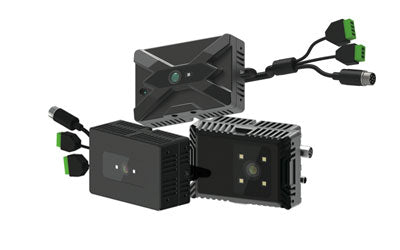
3D Safe Guarding Privacy RGBD Camera Synexens CS30

Conclusion: Are Warehouse Robots Worth the Investment?
As the logistics industry continues to evolve, warehouse robots have become an essential technology for smart warehouse transformation. Although warehouse robots price may be higher than traditional labor costs at the beginning, robotic systems can create long-term value by improving efficiency, reducing labor expenses, minimizing errors, and increasing workplace safety.
For large distribution centers, e-commerce fulfillment warehouses, manufacturing companies, and businesses seeking digital transformation, investing in warehouse automation robots is not only a cost-saving strategy but also a way to strengthen future competitiveness.
In the future, intelligent warehouses based on human-robot collaboration will become the mainstream model of logistics automation. With continuous advancements in AI, machine vision, LiDAR, and AMR technology, warehouse robots will play an increasingly important role in global supply chains.
-
Publicado en
CS30
