

BrainCo Brain-Controlled Robot at WAIC 2026 BCI Embodied AI
- Posted by LidarSensor
How Is BrainCo Using Brain-Computer Interface Technology to Build the Future of Embodied AI Robots?
With the rapid development of artificial intelligence (AI), robotics, and brain-computer interface (BCI) technologies, embodied AI robots (Embodied AI Robot) are becoming a major focus of the global technology industry. During the 2026 World Artificial Intelligence Conference (WAIC 2026), embodied intelligence was elevated for the first time as one of the two major strategic tracks alongside AI computing power. The event attracted more than 200 companies showcasing innovations across robotics components, dexterous hands, industrial robots, general-purpose humanoid robots, quadruped robots, and embodied intelligence models.
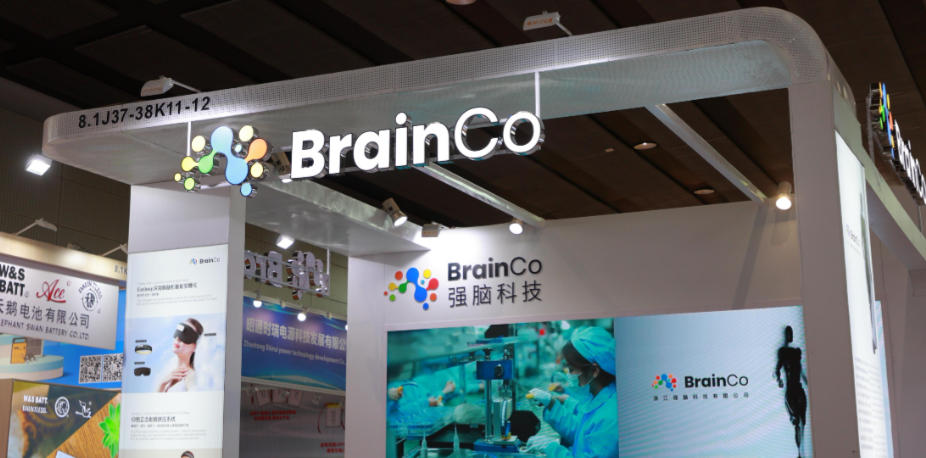
At the conference, BrainCo will showcase its brain-controlled robot training platform and related robot data acquisition solutions for the first time, exploring the deep integration of brain-computer interface technology and embodied AI robotics. By directly converting human movement intentions into robotic commands, BrainCo is developing a new human-centered interaction approach that could provide a new technological pathway for future intelligent robots.
As an innovative company focused on brain-computer interfaces and intelligent robotics, BrainCo has been dedicated to brain-computer interface technology, artificial intelligence, human-machine interaction, intelligent robot control, and neurotechnology applications. By integrating neuroscience, AI algorithms, robotics, and intelligent hardware, BrainCo is helping transform robots from traditional command-based machines into more natural and efficient human-robot collaborative systems.
What Is BrainCo? Exploring the Future of Brain-Controlled Intelligent Robots
BrainCo is a technology company specializing in brain-computer interface technology and AI applications. The company focuses on using neuroscience research, neural signal processing, and intelligent algorithms to build more direct and efficient connections between humans and machines.
Traditional robots mainly rely on buttons, voice commands, or pre-programmed instructions to complete tasks. However, future intelligent robots need to better understand human intentions and achieve more natural human-robot collaboration. Brain-computer interface technology represents an important pathway for connecting the human brain with external devices.
By collecting and analyzing human brainwave signals (EEG), BCI systems can recognize human intentions and convert them into control signals that machines can understand. Applications include:
- Human movement intention recognition
- Brain signal data acquisition
- Intelligent device control
- Robot action execution
- Human-robot collaborative interaction
By combining brain-computer interfaces with robotics, BrainCo is exploring more natural control methods for future AI robots, enabling robots to respond more accurately to human needs.

WAIC 2026: BrainCo Showcases Brain-Controlled Robot Training Platform
During WAIC 2026, BrainCo will showcase its Brain-Controlled Robot Training Platform for the first time.
Based on brain-computer interface technology, the platform captures users’ movement intentions and converts brain signals into executable robotic commands, creating a direct connection between “human thoughts” and “robot actions.”
Compared with traditional robots controlled through remote controllers, touch interfaces, or fixed programming, brain-controlled robots provide a more direct and intuitive interaction method. Users do not need complex physical operations; instead, the system identifies intentions through BCI technology and enables robots to perform corresponding tasks.
This technological direction not only expands the possibilities of robot control but also creates new opportunities for future humanoid robots, intelligent assistive robots, rehabilitation robots, and service robots.
Potential applications of brain-controlled robot technology include:
- Intelligent rehabilitation training
- Assistive robot control
- Human-robot collaboration systems
- Robot operation in special environments
- Smart healthcare applications
These innovations are helping robots evolve from 'passive execution machines' into intelligent systems capable of understanding human intentions.
How Does Brain-Computer Interface Technology Empower Embodied AI Robots?
The core goal of embodied AI robots is to enable machines with perception, understanding, decision-making, and action capabilities. Brain-computer interface technology further strengthens the connection between humans and intelligent robots.
Traditional robot control methods usually rely on:
- Remote controllers
- Mechanical buttons
- Voice commands
- Programmed instructions
Brain-computer interfaces, however, acquire human neural signals directly, enabling a more natural interaction approach.
BrainCo’s brain-controlled robot solutions aim to help robots understand human intentions, such as:
- Moving toward a specific direction
- Performing a desired action
- Adjusting behavior based on environmental changes
This human-centered control method could become an important development direction for future human-robot collaboration systems.
BrainCo Robot Data Acquisition Solutions: Building the Foundation for Robot Training
In addition to the brain-controlled robot training platform, BrainCo will also showcase its robot data acquisition solutions designed for embodied intelligence development.
For future intelligent robots, high-quality training data is essential for improving learning capabilities. Robots need large amounts of real-world data to learn complex tasks and adapt to diverse environments.
BrainCo’s data acquisition solutions build a multi-source data ecosystem, including:
- Real robot execution data
- Human demonstration data
- Virtual simulation data
These data sources provide robots with training information that more closely reflects real-world operating processes.
Compared with traditional robots that rely on fixed programming, data-driven robots can continuously optimize behaviors through machine learning, improving environmental adaptability and task execution performance.
This approach is also a key foundation for the development of embodied AI foundation models.
Data-Driven Robot Intelligence: From Training to Autonomous Execution
To enter real-world applications such as homes, factories, and commercial environments, future robots require stronger learning capabilities.
By combining data acquisition with AI training, robots can:
Learn Human Operation Methods
Through human demonstration data, robots can understand task processes and learn more natural operating methods, including:
- Object manipulation
- Tool usage
- Environmental interaction
- Complex task execution
Improve Adaptability in Real Environments
By combining real robot data with virtual simulation data, robots can train across different scenarios, improving stability and reliability.
Accelerate Robot Commercialization
High-quality data systems can reduce robot training costs and accelerate the transition of robots from research environments into practical applications.

Core Technologies Behind BrainCo Intelligent Robots
BrainCo has developed multiple core capabilities by integrating brain-computer interfaces, artificial intelligence, and robotics technologies.
Brain-Computer Interface Technology
Brain-computer interface technology provides a bridge between the human brain and external devices.
By collecting EEG signals and analyzing them through AI algorithms, BCI systems can recognize human intentions and enable communication between humans and machines.
AI-Based Neural Signal Processing
Brain signals are highly complex and continuously changing, requiring advanced AI technologies for:
- Signal recognition
- Feature extraction
- Intention analysis
- Intelligent prediction
These technologies improve the accuracy and response speed of brain-controlled systems.
Intelligent Robot Control Technology
By integrating BCI data with robot control systems, robots can perform actions based on human intentions, enabling more natural human-robot collaboration.
BrainCo Accelerates the Integration of Brain-Computer Interfaces and Robotics
With continuous advances in artificial intelligence, foundation models, and robotics, future robots will not only understand the world through cameras, microphones, and sensors but may also connect directly with human intentions through brain-computer interfaces.
Through its brain-controlled robot training platform and robot data acquisition solutions, BrainCo is exploring the future direction of BCI + Embodied AI Robot technology.
These technologies have broad application potential across:
- Intelligent rehabilitation robots
- Medical assistive robots
- Industrial collaborative robots
- Humanoid robots
- Smart service robots
- Robots for specialized environments
The Era of Brain-Computer Interfaces: BrainCo Unlocks New Possibilities for Intelligent Robots
The 2026 World Artificial Intelligence Conference further highlights global interest in embodied intelligence technologies. As AI models, robotic control systems, brain-computer interfaces, and intelligent hardware continue to converge, robots are evolving from simple automation devices into intelligent partners capable of understanding human intentions.
BrainCo’s brain-controlled robot training platform and robot data acquisition solutions demonstrate innovative applications of brain-computer interface technology in robotics while representing the future direction of human-machine interaction.
In the future, as technologies such as brain-computer interfaces (Brain Computer Interface), embodied AI robots (Embodied AI Robot), AI robots, and robotic training data systems continue to mature, the connection between humans and machines will experience new breakthroughs, accelerating the adoption of intelligent robots across a wider range of industries.
